Critical thinking skills for students are praised so often that the phrase can start to lose meaning. Teachers mention it. Schools promote it. Parents say they want it. But many students still finish the day without a clear sense of what critical thinking actually looks like when they are reading a chapter, writing an essay, or answering a question in class.
In practical terms, critical thinking means refusing to stop at the first easy answer. It means asking what supports a claim, what might be missing, what does not quite fit, and whether an idea still holds up when examined from another angle. That sounds straightforward until students try to do it under time pressure. Then it becomes obvious why memorization is often more tempting. Memorization is tidy. Thinking is not.
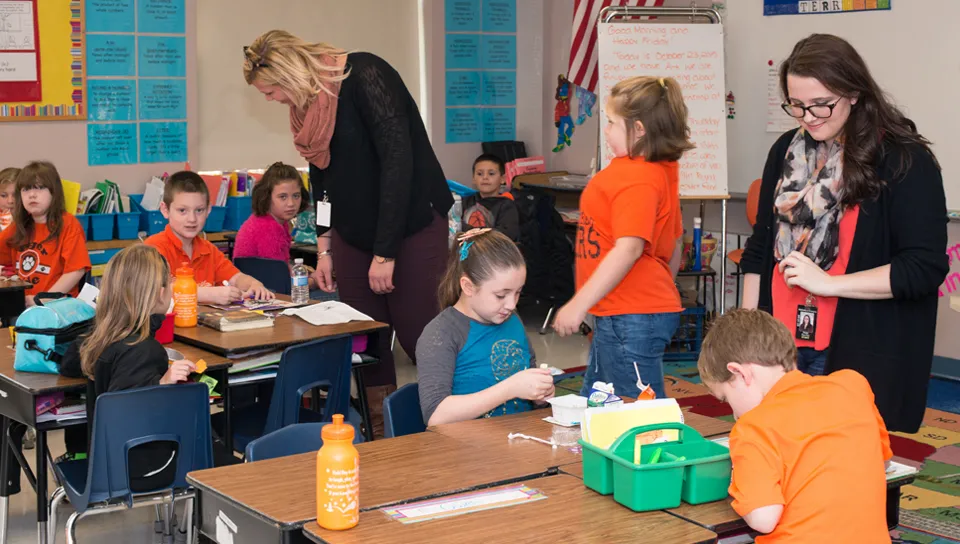
If you want to know how to improve critical thinking, begin with better questions. Why is this evidence convincing? What assumption is hiding underneath this argument? What might someone who disagrees say? Students often improve when they stop treating schoolwork like a hunt for the approved answer and start treating it like an invitation to examine the logic behind that answer.
Some of the best critical thinking activities for students are surprisingly simple. Compare two explanations of the same event. Defend a position and then challenge it. Identify what a writer leaves out. Rewrite a weak claim so that it becomes more precise. These tasks are effective because they force students to work with ideas rather than merely store them.
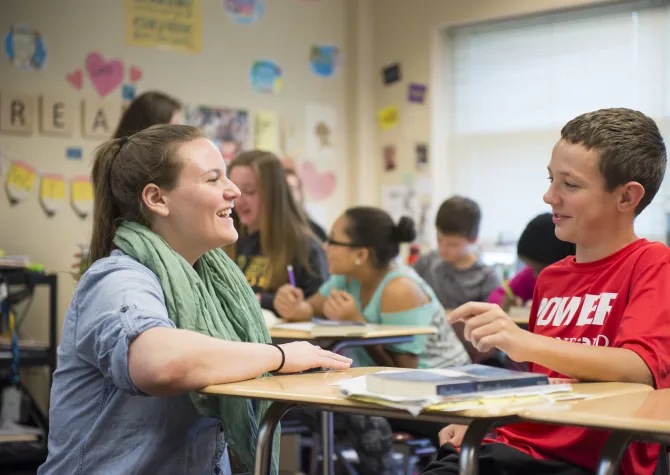
This matters in reading because comprehension deepens when students notice argument, bias, evidence, and omission. It matters in writing because stronger essays come from stronger reasoning, not just cleaner grammar. And it matters in class discussion because students who think critically tend to listen differently. They are not only waiting for their turn to speak. They are testing what they hear.

The question of how to improve critical thinking is not solved by one worksheet or one clever activity. It grows through repeated exposure to uncertainty, interpretation, and explanation. Students need chances to struggle productively, not just chances to be correct quickly.
Critical thinking skills for students improve academic performance because they travel well. They help in history, science, literature, research, writing, and problem solving. More importantly, they make students less dependent on shallow cues about what sounds right.
That may be the real value. Students with stronger critical thinking skills are not just better at school. They are also harder to mislead, less likely to settle for thin reasoning, and more capable of forming views that can survive pressure.