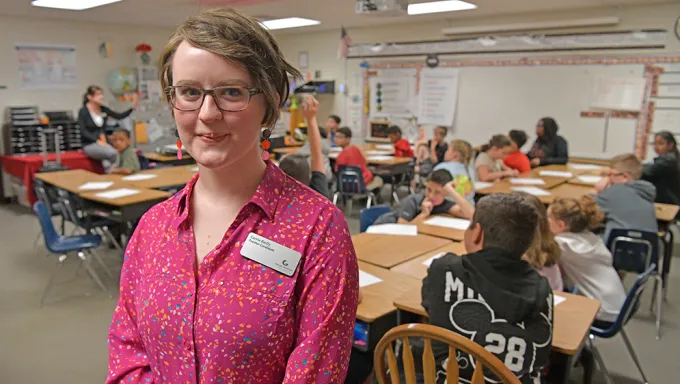
A parents guide to student mental health should begin with one uncomfortable but important truth: children and teens do not always show stress in ways adults expect. Sometimes they cry or say they feel overwhelmed. More often, they become irritable, withdrawn, exhausted, unusually forgetful, resistant to schoolwork, or strangely flat. Those student mental health signs are easy to misread during a busy school year.
School stress in kids can accumulate quietly. A difficult class, social tension, sleep loss, activity overload, pressure around grades, and fear of disappointing adults may build on top of each other until the child is functioning, technically, but struggling much more than anyone realizes. This is one reason parents sometimes miss the problem at first. The child has not collapsed. They are just not doing well.
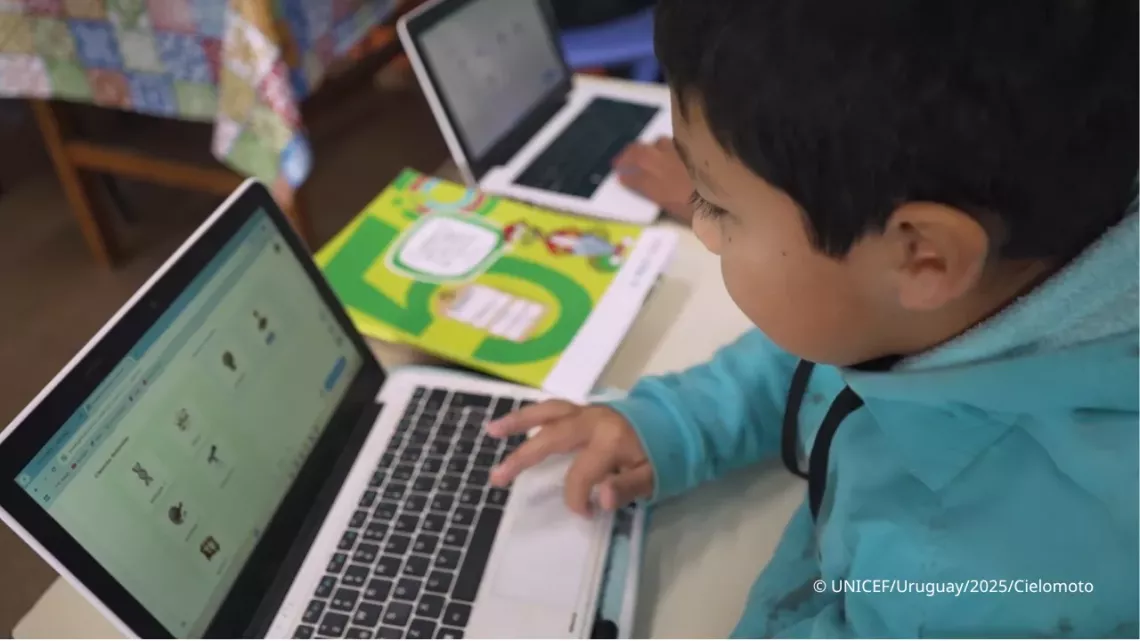
A practical parents guide to student mental health asks adults to watch patterns rather than isolated moments. One bad day is not unusual. A repeated shift in mood, energy, appetite, sleep, focus, or willingness to engage is more revealing. Children often communicate distress through behavior long before they talk about it directly.
Parents who notice student mental health signs often feel unsure about how to begin the conversation. That uncertainty is normal. It helps to ask specific, calm questions rather than broad ones. What part of school feels hardest lately? When do you feel most tired or most stressed? Is something changing with friends, workload, or sleep? A good opening does not need to be perfect. It needs to feel safe enough to answer honestly.
School stress in kids is not always something families can solve alone. Sometimes better routines, less overscheduling, and more sleep help significantly. Other times the child needs school-based support, counseling, academic adjustments, or outside professional care. The key is not to wait for the situation to become dramatic before taking it seriously.

It is also worth saying that not every hard season is a mental health crisis. Children can struggle temporarily without needing immediate intervention at the highest level. But temporary does not mean trivial, and repeated distress should not be dismissed as attitude.
A strong parents guide to student mental health encourages steadiness over panic. Notice the signs. Stay curious. Listen carefully. Act early enough that support remains possible before the child feels completely overwhelmed.
Parents do not need to interpret every mood change perfectly. They do need to take ongoing patterns seriously, especially when school stress starts changing how a child sleeps, functions, connects, or sees themselves.