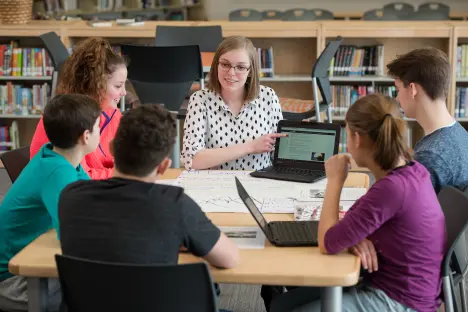
A parents guide to early childhood education should probably begin by relieving some pressure rather than adding more. Many families feel pushed toward the idea that younger must always mean earlier, and earlier must always mean better. Read sooner. Count sooner. Write sooner. Perform sooner. That pressure can make parents feel as if childhood is a race that starts much too young.
A good early childhood education guide points in a different direction. It reminds adults that early learning is not only, or even mainly, about formal academics. Young children build foundations through language, play, movement, routines, relationships, and repeated opportunities to explore the world around them. These experiences may look ordinary, but they are often the real groundwork for later learning.
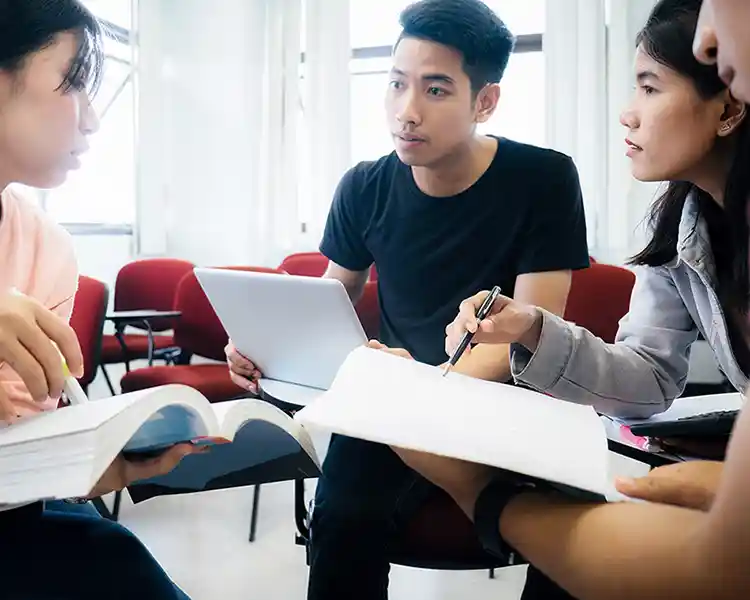
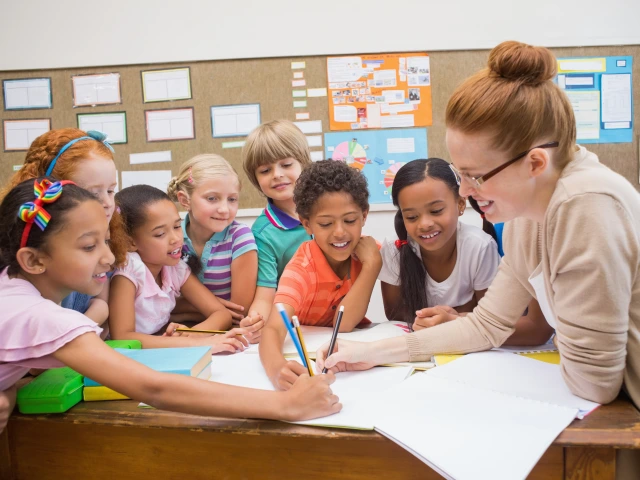
This is why the best early learning practices are not always the most visibly academic ones. Conversation matters. Story time matters. Pretend play matters. Emotional regulation matters. Learning how to wait, listen, express needs, and recover from frustration matters a great deal. These are not side issues. They are part of development itself.
Parents looking at programs should ask whether the environment feels developmentally appropriate. Are adults responsive? Is curiosity encouraged? Is there space for movement, social interaction, and guided exploration? Or does the setting seem overly focused on producing early performance that looks impressive to adults?
A strong parents guide to early childhood education should also make room for the fact that children develop unevenly. One child may speak early and resist sitting still. Another may be quieter but more physically confident. Variation does not automatically signal a problem. It is part of childhood.
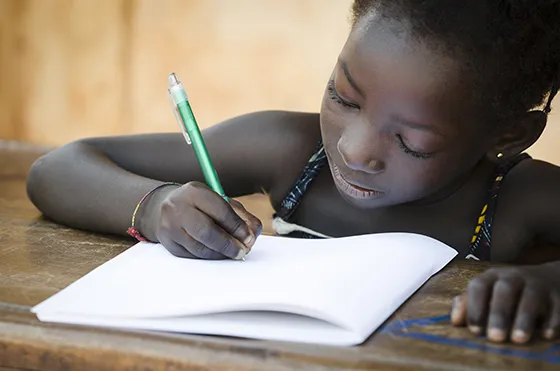
At home, families can support early learning without turning the living room into a miniature academic training center. Talking during daily routines, reading together, noticing patterns, naming emotions, singing, drawing, and playing simple games all matter more than many parents realize.
One common myth is that more pressure creates better preparation. In reality, pressure can make young children anxious, resistant, or disconnected from the very experiences that help them learn naturally.
The best early learning practices support growth without hurrying childhood out of the way. That may be the most useful reminder in any early childhood education guide.