How parents can help with homework sounds like a straightforward question until the nightly stress begins. A child is tired. A parent is also tired. The assignment feels small in theory and somehow turns into a thirty-minute argument about missing directions, careless mistakes, or why no one started earlier. Families often assume this tension is simply part of school life. It may be common, but that does not mean it is the only possible pattern.
One reason homework help becomes stressful is that roles get blurry. Parents want to help, but helping can easily slide into correcting every sentence, explaining every step, and staying so close that the child never really has to think independently. At that point, the assignment may get finished, but the emotional cost rises and the studentâs ownership quietly disappears.
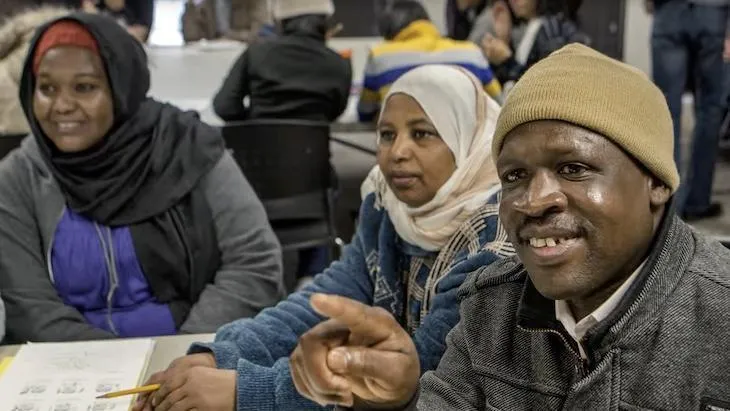
Good homework help for parents begins with role clarity. The parent is not supposed to become the second teacher, the editor, and the emergency project manager all at once. In most cases, the better role is guide: clarify directions, help the child break the task down, ask where confusion begins, and support a calm work routine.
Parents wondering how to help kids with homework often jump in too early because they can see the struggle coming. That instinct is understandable. Still, it helps to pause long enough to ask a few questions first. What is the task asking? What part already makes sense? What part feels confusing? Those questions keep the child mentally involved.
Age matters here as well. Younger children usually need more structure, more visible routines, and more help getting started. Older students often need less direct supervision and more accountability for planning, checking assignments, and asking for help when necessary. One reason homework conflict increases is that adults sometimes give either too much control or not enough.
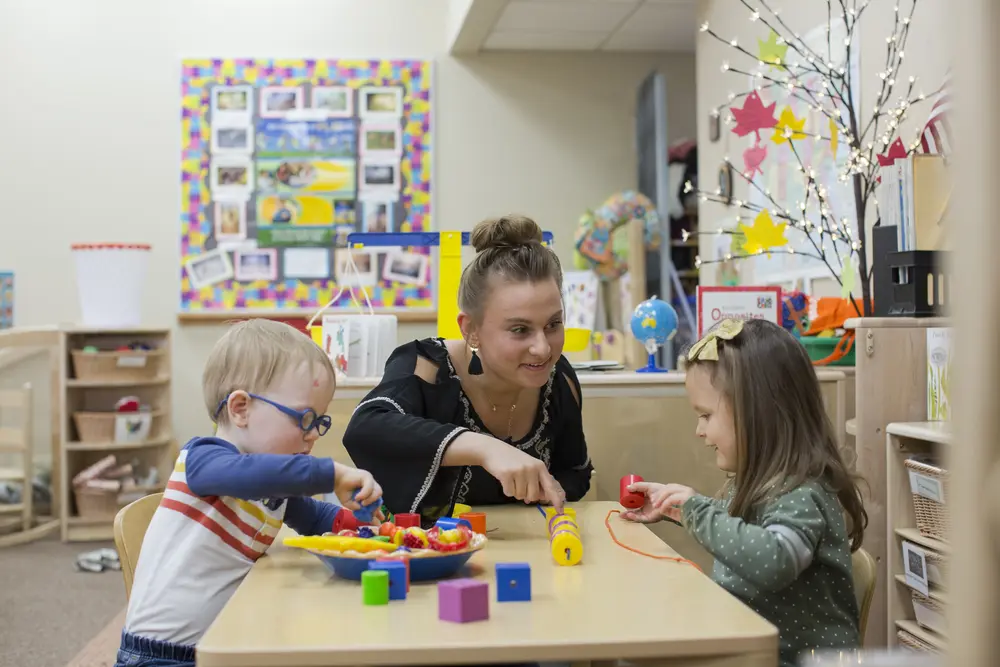
There are also moments when homework help for parents is no longer enough by itself. If a child is repeatedly overwhelmed, consistently confused, or showing signs that the problem is bigger than one assignment, outside support may be more useful than another stressful evening at the kitchen table.
How parents can help with homework is not by eliminating every struggle. It is by making the struggle more manageable without taking over the work completely. That balance is imperfect, sometimes frustrating, and still worth aiming for.
The goal is not a flawless homework routine. It is a calmer one, where support actually supports and the assignment still belongs to the student.